
Why Is Your Pigmentation Getting Worse During the Monsoon
Monsoon brings welcome relief from the summer heat, but it can also introduce unexpected skincare challenges. If you've noticed that your dark spots, acne marks, or uneven skin tone seem more noticeable during the rainy season, you're not imagining it.
Many people believe pigmentation only worsens during summer because of intense sunlight. However, pigmentation during monsoon is a common concern caused by humidity, UV exposure, pollution, and inconsistent skincare habits.
The good news? With the right skincare routine and effective ingredients, you can help reduce the appearance of pigmentation and maintain a brighter, more even-looking complexion.
Let's explore why pigmentation becomes more noticeable during the monsoon and what you can do to manage it.
What Is Skin Pigmentation?
Skin pigmentation refers to your skin's natural color, which is determined by melanin, a pigment produced by specialized skin cells.
When melanin production becomes uneven or excessive, it leads to hyperpigmentation, causing certain areas of the skin to appear darker than the surrounding skin.
Common types of pigmentation include:
- Dark spots
- Acne marks
- Sun spots
- Melasma
- Post-inflammatory hyperpigmentation (PIH)
- Uneven skin tone
Although pigmentation isn't harmful, it can affect your confidence and make your complexion appear dull and uneven.
Why Does Pigmentation Get Worse During Monsoon?
Several environmental and lifestyle factors contribute to increased pigmentation during the rainy season.
1. UV Rays Are Still Present
One of the biggest skincare myths is that cloudy weather blocks harmful UV rays.
In reality, UVA rays can penetrate clouds and continue stimulating melanin production. Skipping sunscreen during monsoon can make existing pigmentation darker over time.
2. Increased Humidity
High humidity causes excessive sweating and oil production. Sweat mixed with dirt and bacteria can clog pores, leading to breakouts that often leave behind stubborn acne marks.
3. Pollution and Environmental Stress
Rain doesn't completely wash away pollution. Dust, smoke, and airborne pollutants continue to settle on the skin, creating oxidative stress that contributes to pigmentation and dullness.
4. Inconsistent Skincare Routine
Many people stop using sunscreen or pigmentation creams during monsoon because they assume their skin doesn't need protection. This inconsistency slows skin renewal and allows pigmentation to become more noticeable.
5. Skin Inflammation
Acne, irritation, insect bites, and excessive rubbing can trigger inflammation. As the skin heals, it may produce excess melanin, leading to stubborn dark spots.
Types of Skin Pigmentation
Melasma
Melasma usually appears on the cheeks, forehead, nose, and upper lip. It is commonly associated with hormonal changes and UV exposure.
Post-Inflammatory Hyperpigmentation (PIH)
PIH develops after acne, skin injuries, insect bites, or irritation. These marks are especially common in acne-prone skin.
Sun Spots
Sun spots develop after prolonged UV exposure and may become more noticeable if sunscreen isn't used consistently—even during monsoon.
Age Spots
Age spots naturally appear over time due to repeated sun exposure and the aging process.
Can Pigmentation Be Reduced Naturally?
Yes—but it requires patience, consistency, and the right skincare routine.
There is no overnight solution for pigmentation. Your skin naturally renews itself every 28–40 days, depending on your age and skin type.
With consistent skincare and effective ingredients, pigmentation gradually becomes less noticeable while your skin looks brighter and more even over time.
Ingredients That Actually Help
Choosing products with scientifically recognized ingredients can make a significant difference in improving pigmentation.
Tranexamic Acid
Tranexamic Acid helps reduce stubborn pigmentation while supporting a more even-looking complexion.
Kojic Acid
Kojic Acid helps minimize excess melanin production and improve the appearance of dark spots.
Alpha Arbutin
Alpha Arbutin is known for reducing post-acne marks and uneven skin tone while promoting brighter-looking skin.
Vitamin C
Vitamin C brightens dull skin while helping protect against environmental damage caused by pollution and UV exposure.
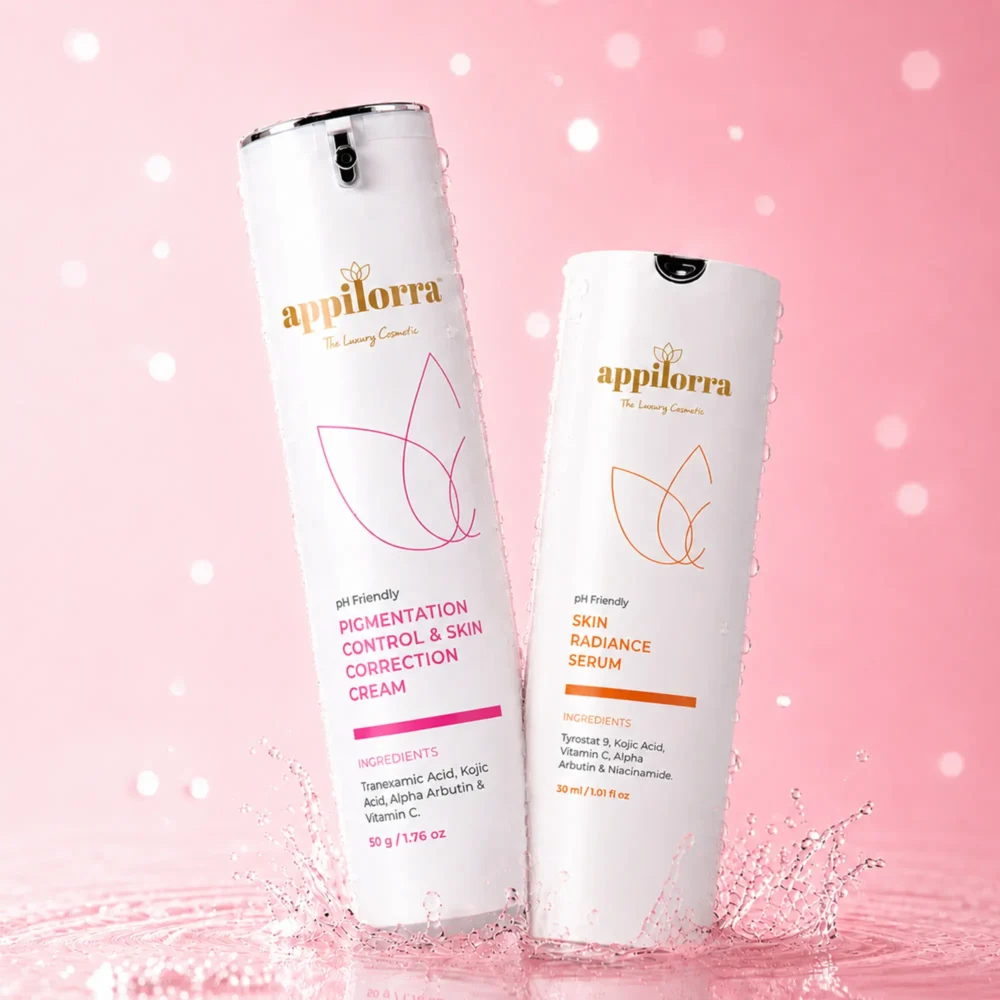
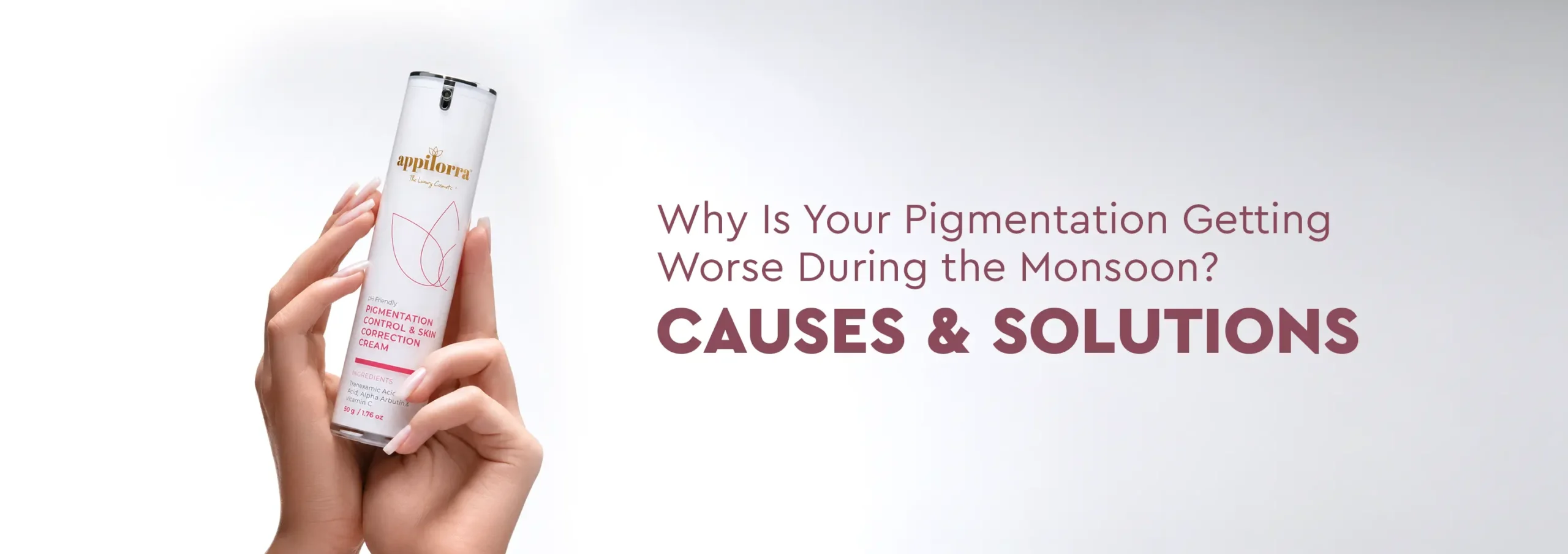
Introducing Appilorra Pigmentation Control & Skin Correction Cream
If you're looking for a targeted solution for pigmentation during monsoon, the Appilorra Pigmentation Control & Skin Correction Cream is designed to help improve the appearance of dark spots, uneven skin tone, and post-acne marks while supporting a brighter complexion.
Powered by skin-loving ingredients like Tranexamic Acid, Kojic Acid, Alpha Arbutin, and Vitamin C, this lightweight daily cream works to visibly improve your skin with consistent use.
Key Benefits:
- Helps reduce the appearance of pigmentation.
- Supports fading of dark spots and acne marks.
- Promotes a more even-looking skin tone.
- Enhances natural skin radiance.
- Lightweight and non-greasy formula.
- Suitable for daily skincare.
With regular application, it becomes an essential step in your pigmentation care routine.
Build the Perfect Pigmentation Routine
Consistency is the key to improving pigmentation. Follow this simple routine every day for the best results.
🌞 Morning Routine
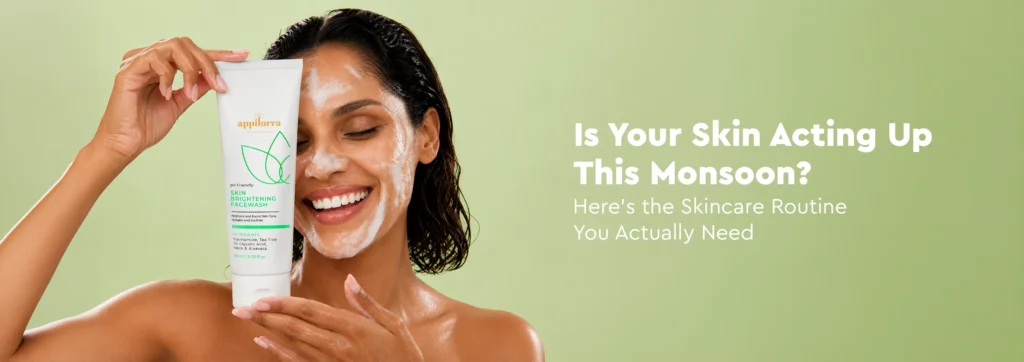
- Cleanse with Appilorra Skin Brightening Facewash.
- Apply Appilorra Pigmentation Control & Skin Correction Cream.
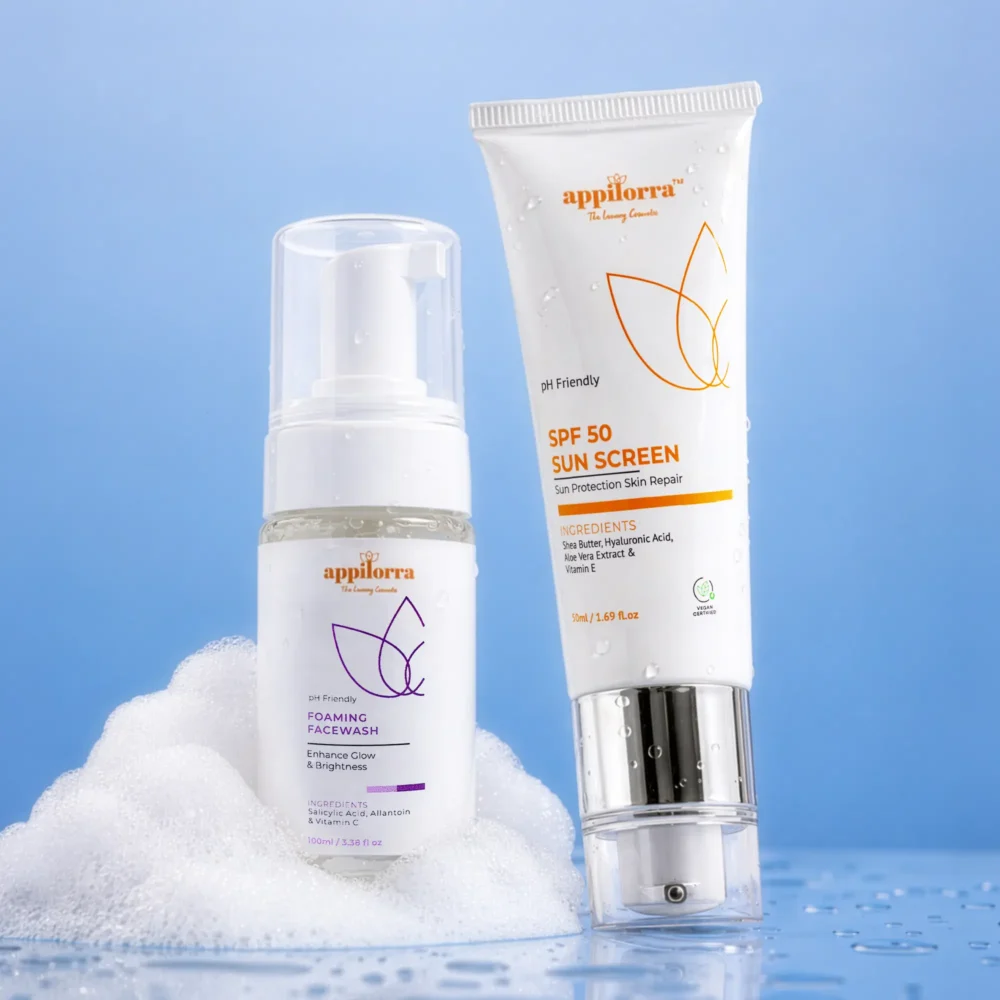
- Finish with Appilorra SPF 50 Sunscreen.
🌙 Night Routine
- Cleanse using Appilorra Skin Brightening Facewash.
- Apply Appilorra Pigmentation Control & Skin Correction Cream.
Following this routine consistently helps improve your skin's overall appearance while protecting it from further pigmentation.
Lifestyle Tips to Prevent Pigmentation
Healthy skin isn't just about skincare products. Small daily habits also make a big difference.
- Drink at least 2–3 liters of water every day.
- Apply sunscreen every morning, even during cloudy weather.
- Avoid picking or squeezing acne.
- Eat antioxidant-rich fruits and vegetables.
- Sleep for 7–8 hours every night.
- Avoid harsh scrubs that can irritate the skin.
- Cleanse your face after returning home to remove pollution and dirt.
Combining these healthy habits with the right skincare routine helps maintain a brighter and healthier complexion.
Mistakes That Make Pigmentation Worse
Many people unknowingly make skincare mistakes that delay results and make pigmentation more noticeable.
Avoid these common mistakes:
- Skipping sunscreen.
- Using lemon directly on the skin.
- Applying toothpaste to acne.
- Over-exfoliating the skin.
- Changing skincare products too frequently.
- Ignoring proper hydration.
Avoiding these habits helps your skincare products perform more effectively.
How Long Does It Take to See Results?
Pigmentation fades gradually and requires patience.
Most people begin noticing visible improvements within 4 to 12 weeks, depending on:
- Skin type
- Severity of pigmentation
- Daily skincare routine
- Consistency of product use
- Sun protection habits
Using your skincare products consistently while protecting your skin from UV exposure is the best way to achieve long-lasting results.
Final Thoughts
Pigmentation during monsoon is more common than many people realize. While cloudy weather may feel gentler on your skin, UV rays, humidity, pollution, and inconsistent skincare can all contribute to darker spots and uneven skin tone.
The key to managing pigmentation is consistency. By cleansing your skin, using targeted ingredients like Tranexamic Acid, Kojic Acid, Alpha Arbutin, and Vitamin C, and protecting your skin with sunscreen every day, you can support a brighter and more even-looking complexion.
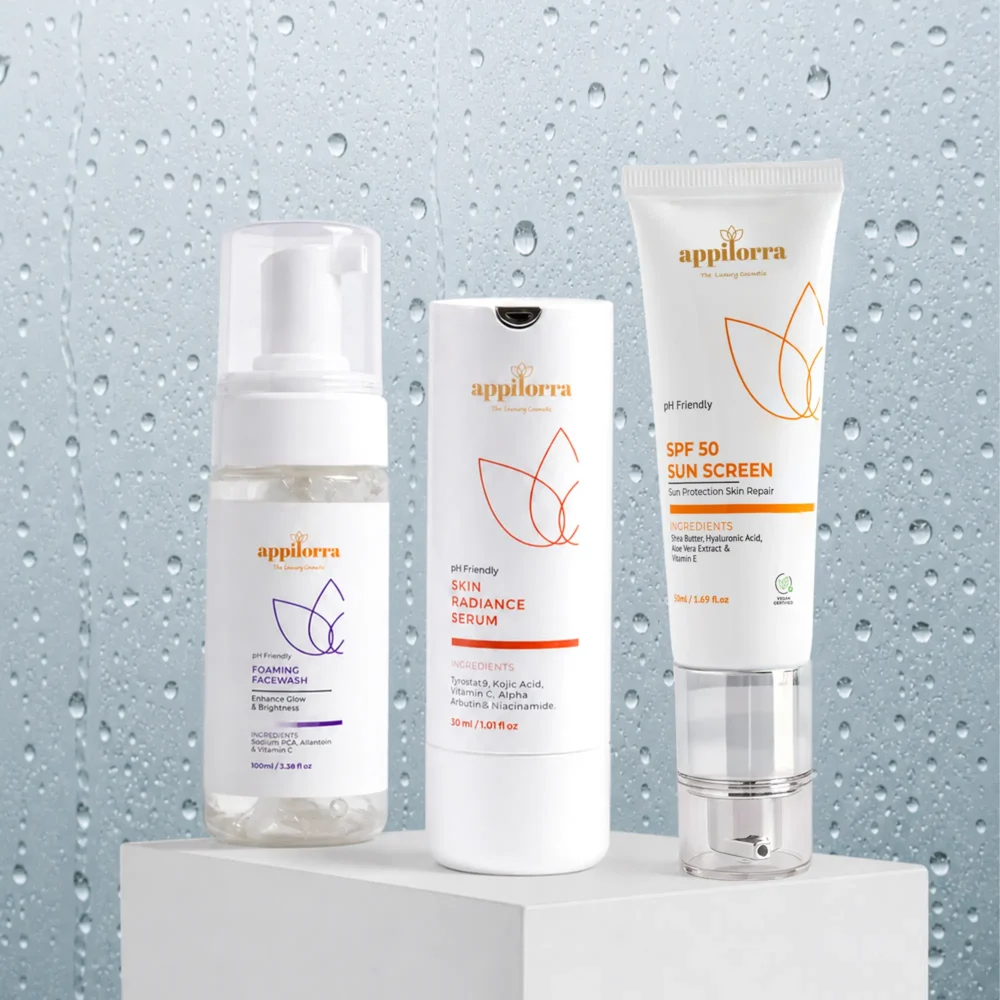
Pair your routine with the Appilorra Pigmentation Control & Skin Correction Cream, Skin Brightening Facewash, and SPF 50 Sunscreen to give your skin the complete care it deserves throughout the monsoon season and beyond.
Frequently Asked Questions
Pigmentation can become more noticeable during the monsoon due to continued UV exposure, high humidity, pollution, excess oil production, and inconsistent skincare. These factors can increase melanin production and make dark spots, acne marks, and uneven skin tone more visible.
Yes. While pigmentation doesn’t disappear overnight, following a consistent skincare routine with ingredients like Tranexamic Acid, Kojic Acid, Alpha Arbutin, and Vitamin C can help reduce the appearance of dark spots over time. Daily sunscreen and healthy skincare habits are also essential for achieving visible results.
Absolutely. Harmful UVA rays can penetrate clouds even on rainy days. Applying Appilorra SPF 50 Sunscreen every morning helps prevent existing pigmentation from becoming darker and protects your skin from further UV damage.
For the best results, follow a complete skincare routine:
- Appilorra Skin Brightening Facewash to gently cleanse the skin.
- Appilorra Pigmentation Control & Skin Correction Cream to target dark spots and uneven skin tone.
- Appilorra SPF 50 Sunscreen every morning to protect your skin from UV rays and help prevent pigmentation from worsening.
A lightweight, broad-spectrum sunscreen with SPF 50 is ideal for everyday use. Appilorra SPF 50 Sunscreen offers broad-spectrum UVA and UVB protection, has a non-greasy formula, and is suitable for daily wear in humid and rainy weather, helping keep your skin protected and healthy.